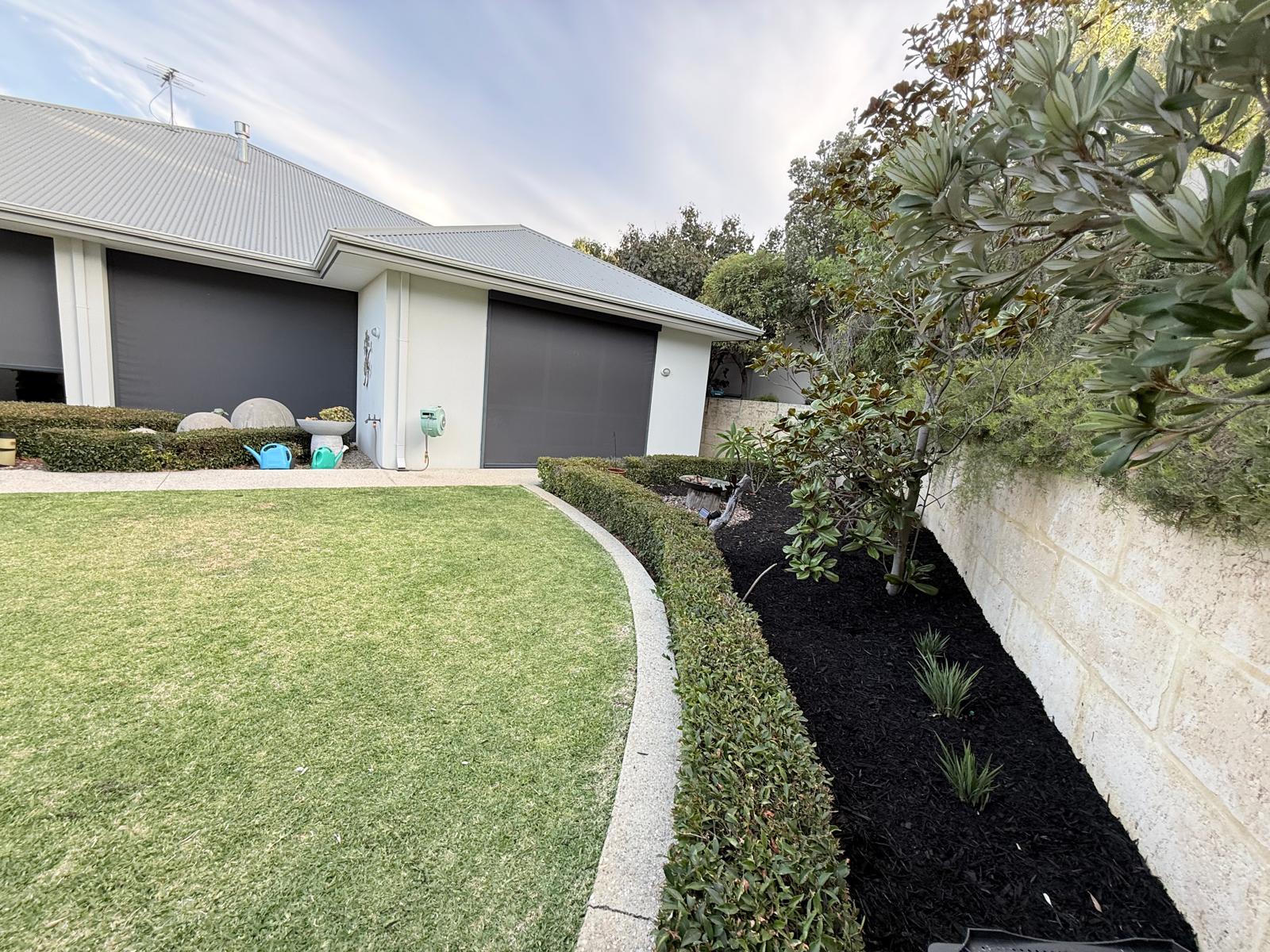
Planting Trees

Trees bring a sense of scale and permanence to a garden, shaping its character as they grow and creating features that can be enjoyed for years. At DLG Engineering, our tree planting service considers both the immediate appearance of a new tree and the role it will play in the future landscape. A carefully chosen tree may provide shade, frame an entrance, soften a boundary or become a focal point within an open space. The best choice depends on the property, the available room and the effect you want to achieve. Planting is therefore more than selecting an attractive specimen and finding an empty corner. It involves understanding how the tree will develop and how it will interact with nearby buildings, garden beds and outdoor activities. By considering these relationships from the beginning, we help create a planting decision that suits your garden today while allowing for its growth in the years ahead.
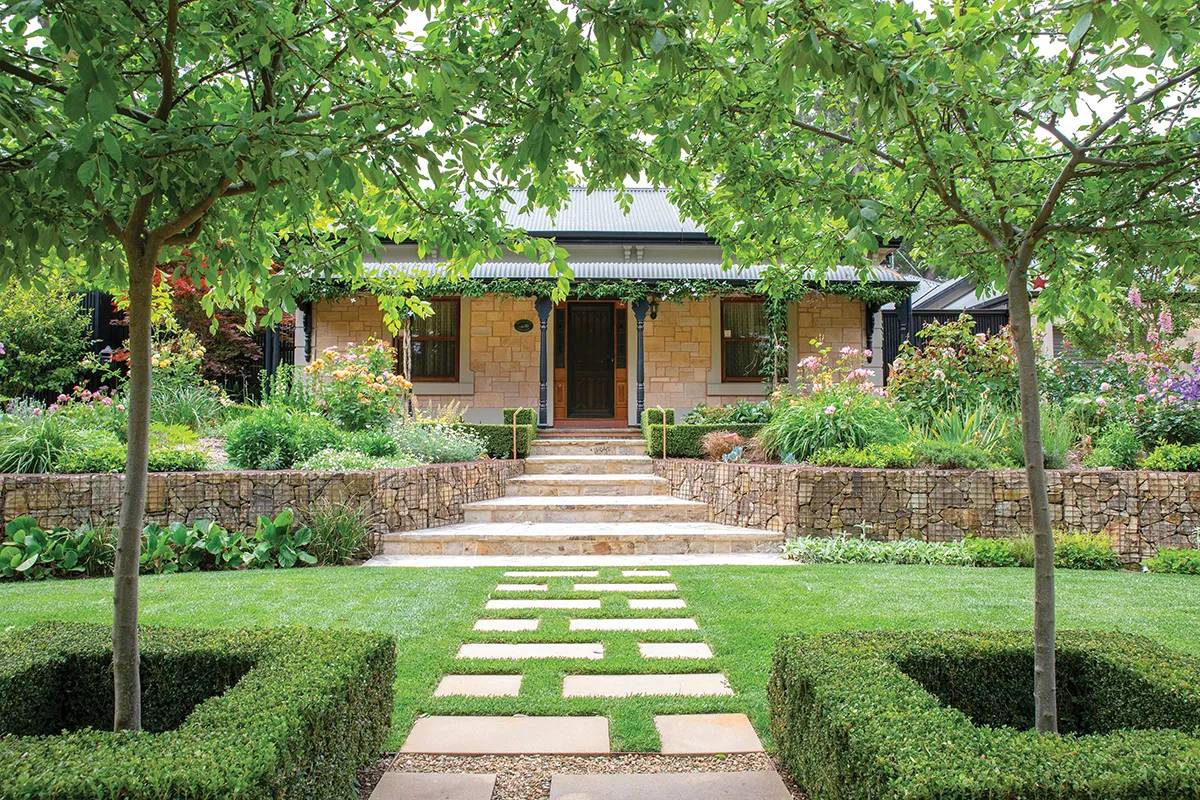
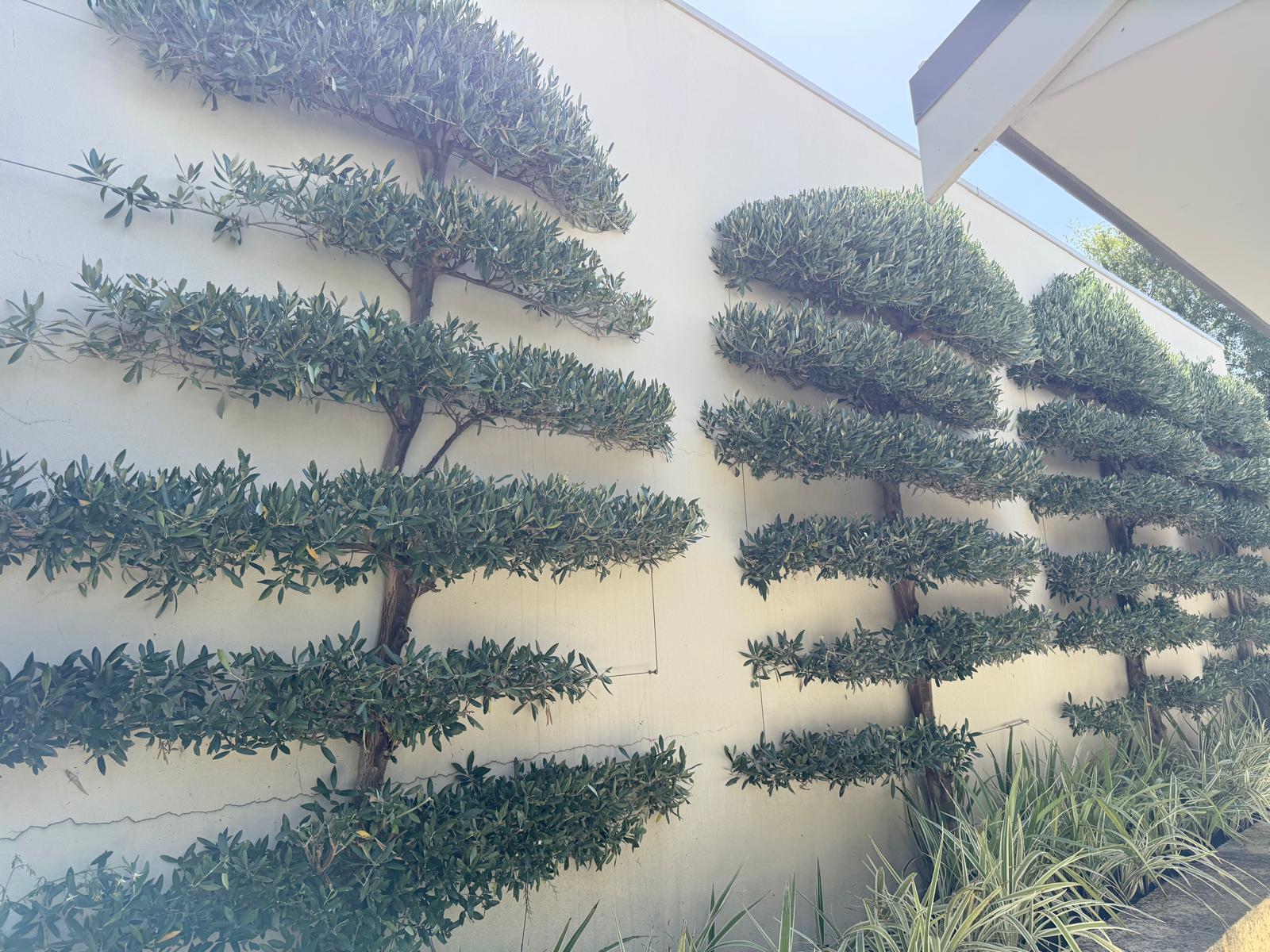
Selecting a suitable tree begins with a clear understanding of the conditions in which it will grow. Sunlight, soil type, drainage, exposure and available water all influence whether a species is likely to perform well in a particular location. At DLG Engineering, we consider these factors alongside your preferences for appearance, shade and maintenance. A tree valued for its flowers may not be the most suitable choice for an exposed site, while a species suited to a large garden may quickly become difficult to accommodate in a compact courtyard. Mature size is especially important because the appearance of a young tree can give little indication of the space it will eventually require. We help approach selection with the longer term in mind, considering height, canopy spread and growth habits rather than focusing only on what looks appealing at the time of planting. This helps support a better relationship between the tree and its surroundings.

The position of a tree influences how useful it becomes and whether it can grow without creating avoidable conflicts. At DLG Engineering, we consider spacing from buildings, boundaries, paths and other landscape features when planning the planting location. Underground services and overhead lines also need attention before work begins, with service information or relevant checks used where required. A position that offers an attractive view may still be unsuitable if it leaves too little room for the canopy or places the tree too close to important infrastructure. We also consider the effect of future shade on lawns, garden beds and outdoor living areas. The aim is to identify a location that allows the tree to contribute positively without compromising the practical use of the property. Careful placement can reduce the likelihood of future relocation or extensive management, helping the tree become an asset within the landscape rather than a source of avoidable maintenance challenges.