
Reticulation Installation & Services

A well-planned reticulation system helps take the uncertainty out of watering, making it easier to care for lawns and garden beds consistently. At DLG Engineering, our reticulation installation and services focus on matching water delivery to the needs of your landscape. Every property has a different combination of planting, sunlight, soil and available water supply, so a useful system begins with understanding those conditions. Whether you are establishing a new garden, adding lawn or improving an existing irrigation arrangement, we consider how the system will function across the whole outdoor area. The aim is to provide appropriate coverage without relying on a layout that treats every section of the garden in the same way. Thoughtful planning can help reduce missed areas, unnecessary overlap and the inconvenience of regular manual watering, supporting a landscape that is easier to manage while giving you greater control over when and where water is applied.
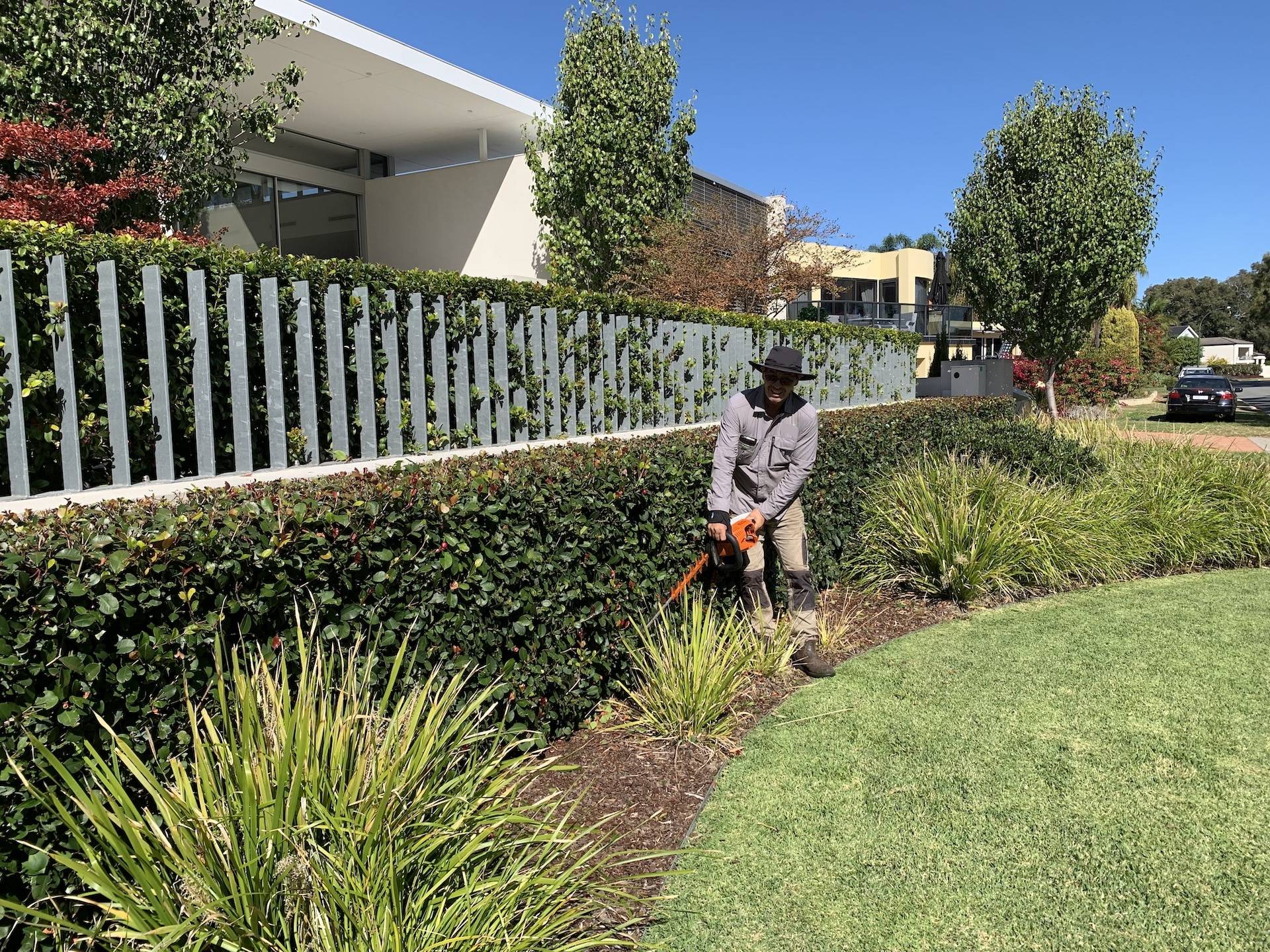
New reticulation installation begins with assessing the areas that need watering and the supply available to serve them. Lawn, shrubs, trees and smaller planting beds may have different requirements, and these differences should guide the proposed arrangement. At DLG Engineering, we consider the size and shape of each area, the location of existing services and the practical routes available for pipework. Available water pressure and flow are important because they influence how many outlets can operate effectively at one time. A system that is planned without considering these limitations may deliver disappointing coverage even when its individual components appear suitable. By assessing the site before installation, we can shape an approach that reflects the conditions rather than making assumptions based on garden size alone. The result is a more considered starting point for a system that can be operated, checked and adjusted in a practical way as the landscape develops over time.

Dividing a reticulation system into suitable zones allows different parts of the garden to receive more appropriate attention. An open lawn may need a different watering approach from a shaded planting bed or a group of newly established shrubs. At DLG Engineering, we consider these differences when planning how the system should be arranged. Grouping areas with similar requirements can make scheduling more manageable and reduce the need to compromise between plants that respond differently to water. Site features also influence zoning, including slopes, exposure to wind and the distance between separate garden areas. The aim is to create a logical arrangement that suits both the landscape and the available supply. Good zoning is not about adding complexity for its own sake; it is about making the system easier to use effectively. When the layout reflects the garden’s actual needs, adjustments can be more targeted and ongoing care can become more straightforward.